As a Kinesiologist, one of my primary goals is to explore the emotions that may be contributing to a client’s health concerns. Physical symptoms rarely exist in isolation. Our thoughts, emotions and physiology constantly interact, often in ways we don’t consciously recognise.
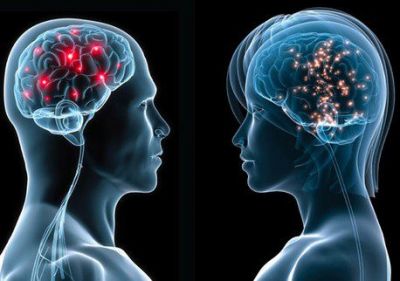
Every day, our brain processes information from two different sources.
The first comes from our senses: sight, sound, touch, taste and smell. These tell us what’s happening in the world around us.
The second comes from our internal experiences. Past memories, emotions and beliefs help our brain quickly interpret situations and decide whether something feels familiar, rewarding or threatening.
Sometimes these protective patterns continue long after the original experience has passed. Instead of responding to what’s happening in the present, we can find ourselves reacting to old emotional patterns. By design, our brain is trying to keep us safe. However, when it treats all new information as a high value threat and doesn’t downregulate, the brain compounds the fear response.
These ideas are consistent with the work of Bessel van der Kolk, author of The Body Keeps the Score, who explored how trauma can leave lasting effects on both the brain and body. They also reflect the pioneering work of neuroscientist Jaak Panksepp, whose book Affective Neuroscience highlighted the fundamental role emotions play in shaping behaviour, learning and physiology.
This is why the phrase “worry yourself sick” has persisted for generations. While emotions are rarely the sole cause of illness, they do influence our physiology, resilience and overall wellbeing. When your body repeatedly gets your attention through pain, inflammation or other persistent symptoms, it’s time to ask if there is more to the story than the physical symptom alone.
My years of clinical experience have taught me that increasing emotional awareness can be a powerful catalyst for change. When we begin to understand the emotions informing our thoughts and shaping behaviours, we give ourselves the opportunity to respond differently. That’s often where healing begins.
Curious about experiencing Kinesiology? Come for a session and let your body do the talking.